Source tibetan meditation singing bowl for Yoga, Chakra, and Relaxation
Compare 30 listings of tibetan meditation singing bowl from suppliers in Nepal and China. Buyers can review material, size, and delivery options for yoga, chakra, and relaxation applications.
Key considerations
Products List
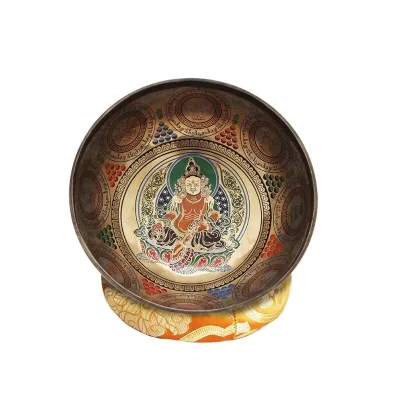
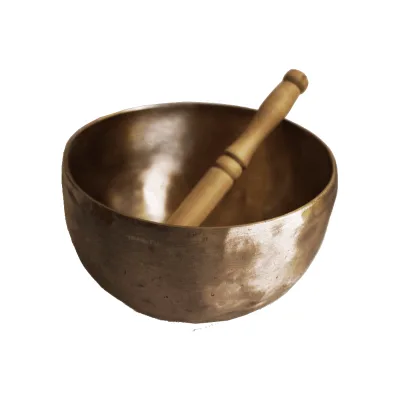
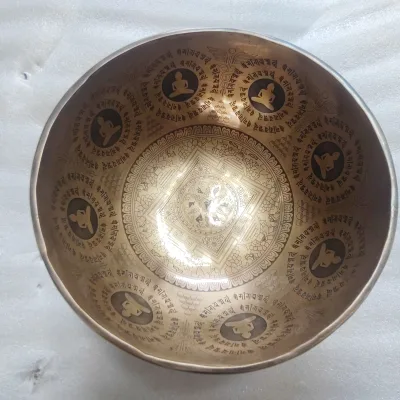
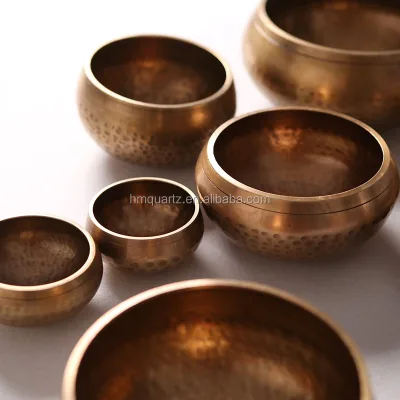
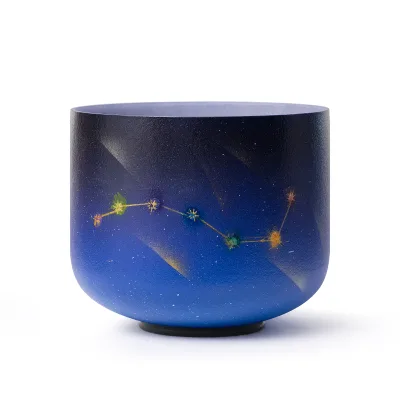

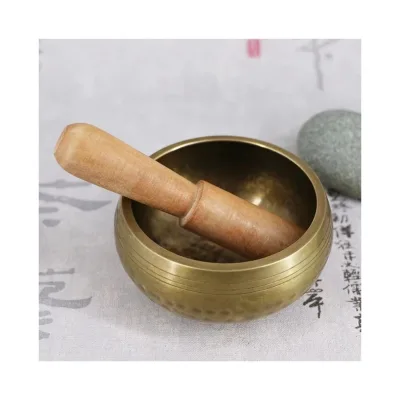
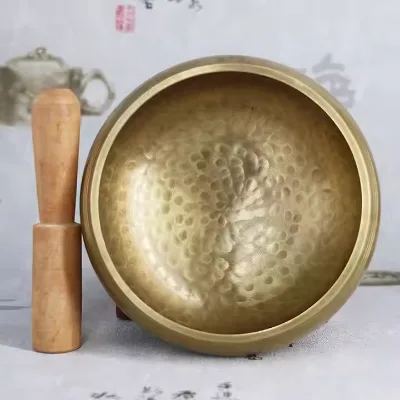


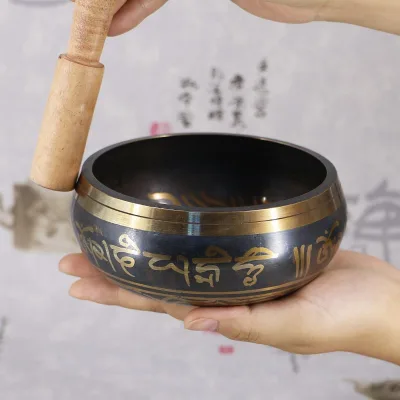
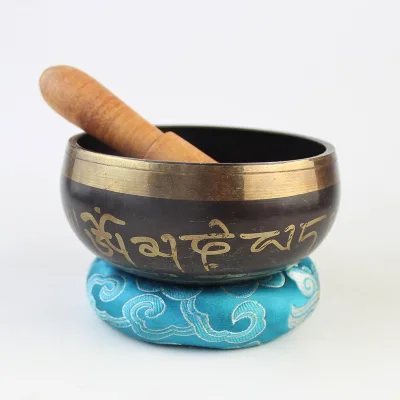
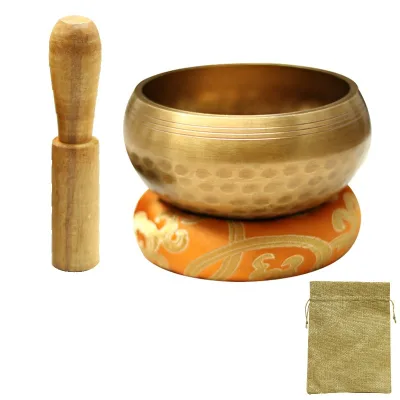
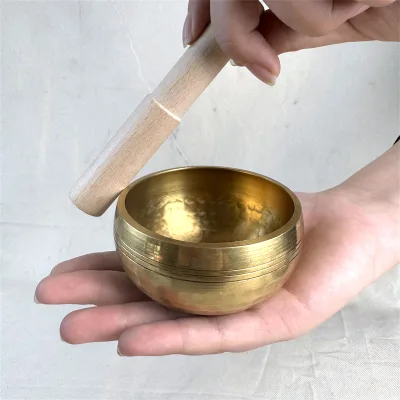


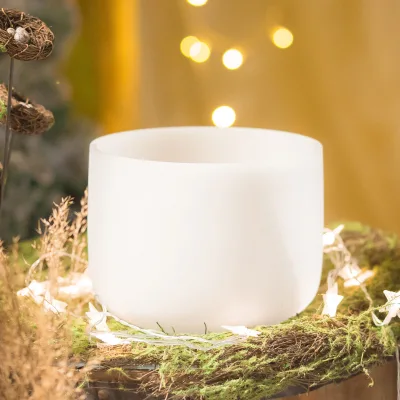
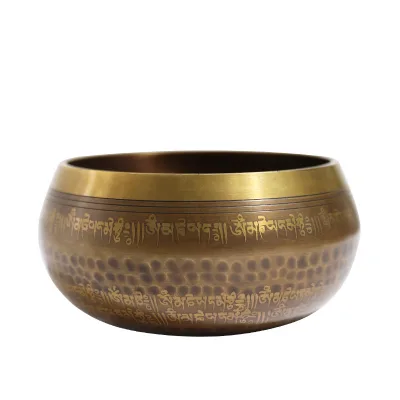
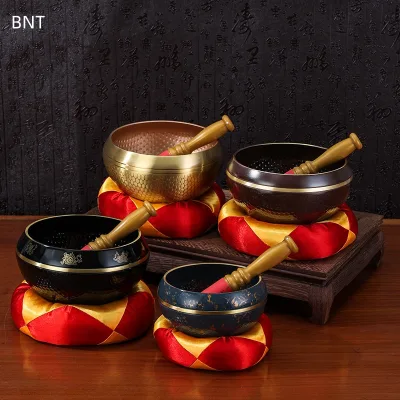
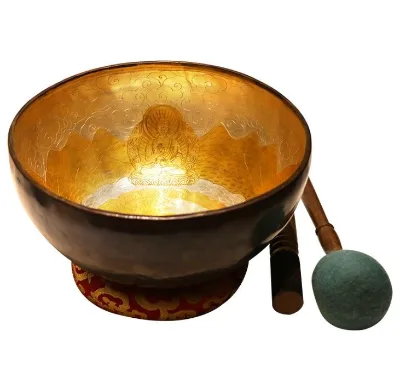
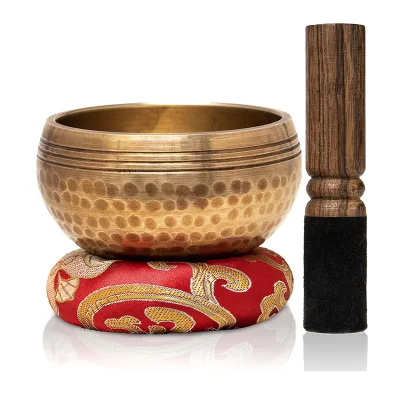
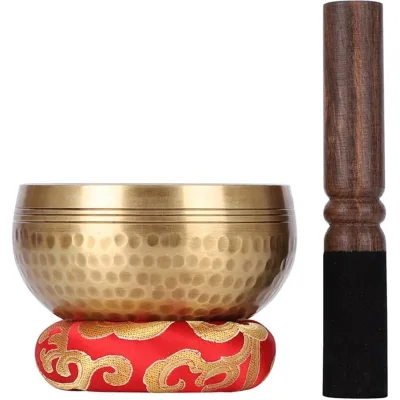
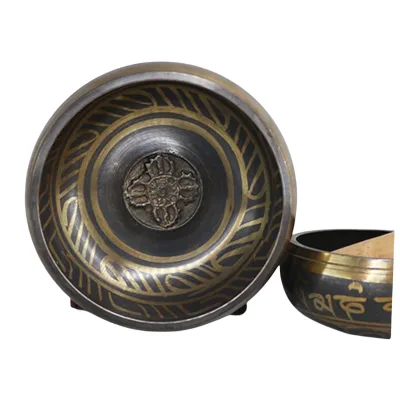

Comprehensive Sourcing Guide
Strategic Sourcing Guide for Tibetan Meditation Singing Bowls
The global market for meditation and wellness instruments has seen a significant surge in demand, with the Tibetan singing bowl emerging as a cornerstone product for spiritual practitioners, yoga studios, and therapeutic centers. Sourcing these items requires a nuanced understanding of the distinction between traditional craftsmanship and modern manufacturing, as well as the specific material and dimensional variances that define product quality. This guide provides a disciplined framework for buyers to navigate the procurement landscape, focusing on verified attributes, supply chain logistics, and quality assurance protocols derived from current market data.
Material Composition and Alloy Standards
The acoustic properties and durability of a singing bowl are fundamentally dictated by its material composition. In the current supply chain, two primary material categories dominate the market: traditional bronze alloys and modern copper-brass composites. Historical and artisanal products often utilize a specific bronze alloy, frequently cited in high-quality listings as containing a high percentage of copper and tin, which contributes to a rich, sustained resonance. Data from verified product listings indicates that specific high-end items are manufactured using B20 bronze, an alloy known for its superior acoustic performance and resistance to corrosion.
Conversely, many mass-market options are produced using a combination of copper and brass. While these materials are functional, they may exhibit different tonal characteristics compared to traditional bronze. Buyers must verify the specific alloy composition before placing large orders. The material attribute is not merely a cosmetic detail; it directly influences the harmonic overtones produced when the bowl is struck or rimmed. When evaluating suppliers, procurement teams should request material certification or detailed composition reports to ensure the product matches the intended acoustic profile. The presence of "Bronze" or "B20" in product specifications should be treated as a critical differentiator from generic "Copper & brass" listings, which may target a different price point and sound quality tier.
Dimensional Specifications and Physical Attributes
Physical dimensions are the second most critical factor in sourcing, as they determine the pitch, volume, and suitability of the bowl for specific therapeutic applications. Market data reveals a wide spectrum of sizes, ranging from compact 8-inch bowls to larger 25-centimeter diameter instruments. For instance, specific listings highlight a diameter of 25 cm with a single package size of 30x30x15 cm, while other entries specify an 8-inch bowl with a diameter of approximately 20.3 cm. Smaller variants may have a diameter of 19 cm or fall within a 3-8 inch range.
The weight of the bowl is equally significant, as it correlates with the density of the metal and the resulting sound projection. Observed weight ranges in the current market span from approximately 0.98 kg to 1.34 kg for individual units, with some heavy-duty variants reaching higher masses. The single gross weight, which includes packaging, can vary from 1.5 kg to 2.0 kg depending on the protective materials used. Buyers must align these physical specifications with their end-user requirements. A bowl intended for deep chakra healing may require a larger diameter and heavier weight to produce lower frequencies, whereas a portable practice bowl might prioritize a smaller footprint and lighter weight. The "Size: S" or "Size: 8" Bowl" designations found in product data should be cross-referenced with actual centimeter measurements to avoid ambiguity in procurement orders.
Manufacturing Processes and Craftsmanship Verification
The method of production is a primary indicator of authenticity and acoustic integrity. Traditional Tibetan singing bowls are renowned for being handmade, a process that involves hammering and shaping the metal to create specific harmonic layers. This "Handmade" attribute is a key differentiator in the market and is often associated with higher price points and unique tonal variations. In contrast, other listings specify "Casting" as the technique, which is a more industrialized method suitable for mass production.
When sourcing, buyers should prioritize suppliers who explicitly state "Handmade" processes if the goal is to replicate traditional acoustic qualities. However, casting techniques can produce consistent results and are often used for bowls with specific patterns, such as "Striped" designs, which are noted in certain product attributes. The choice between handmade and cast bowls depends on the buyer's volume needs and the desired aesthetic. It is essential to request video evidence or detailed process descriptions from potential suppliers to verify their manufacturing claims. The presence of a "Customized Logo" option suggests a level of flexibility in the casting or finishing process, which is less common in strictly traditional, non-industrialized handmade lines.
Geographic Origins and Supply Chain Logistics
The geographic origin of the product significantly impacts the perceived authenticity, shipping costs, and lead times. The market data indicates a diverse supply base, with products originating from Nepal, which is historically associated with the authentic production of these instruments, as well as various regions in China, including Shandong, Liaoning, and ports in Qingdao, Dalian, Tianjin, and Shanghai.
Nepal-origin products are often marketed with a direct link to traditional craftsmanship, whereas Chinese-origin items may leverage industrial capacity for larger volumes. The "Place of Origin" field in product listings must be scrutinized to ensure alignment with the buyer's brand positioning. For example, a product labeled "Nepal Singing Bowl" carries a different market narrative than one labeled "Chinese Singing Bowl" or "HM Brass Meditation Chakra Singing Bowls." Logistics also play a crucial role; suppliers in China often cite "Prompt delivery" and offer dispatch from major ports like Qingdao or Shanghai, which can streamline international shipping. Buyers should verify the "Port of dispatch" to calculate accurate freight costs and delivery timelines. The "Supply Ability" figures, ranging from 3,000 pieces per month to 9,999 pieces per week, highlight the vast difference in production capacity between artisanal workshops and large-scale factories.
Cost Drivers and Pricing Structures
Understanding the cost drivers for singing bowls is essential for budgeting and margin analysis. The price range observed in the market is substantial, spanning from $4.50 to $800 per unit. This wide variance is driven by several factors, including material quality (B20 bronze vs. copper-brass), manufacturing method (handmade vs. cast), size, and brand positioning. High-end products often carry a "Factory price" tag that reflects direct sourcing, while others may include branding premiums.
The "Selling Units" attribute, typically listed as "Single item," suggests that many suppliers operate on a per-unit basis, which can affect the Minimum Order Quantity (MOQ). Observed MOQs in the market range from 1 to 100 units, offering flexibility for small businesses and sample buyers. However, larger orders may unlock better pricing tiers. Buyers should be aware that the "Stock" availability, which can be as low as 1 piece for specific artisanal items, may necessitate longer lead times for restocking. The "Service: Sample" attribute indicates that many suppliers are willing to provide samples for quality verification before committing to bulk orders, a critical step in mitigating procurement risk.
Quality Control and Compliance Verification
Ensuring product quality and compliance is paramount, especially when dealing with items intended for therapeutic and spiritual use. While specific certification names are not universally standardized in the provided data, buyers must verify the "Quality: High" claims through rigorous testing. This includes checking for structural integrity, surface finish, and acoustic consistency. The "Packaging Details" for various products often include plastic bubbles, polystyrene foam sheets, and cartons, which are essential for preventing damage during transit.
Buyers should establish a quality control protocol that includes random sampling from incoming shipments to verify the "Single gross weight" and "Single package size" against the supplier's specifications. Discrepancies in weight or dimensions can indicate material substitution or manufacturing defects. Furthermore, the "Theme: Buddhist" and "Application: Yoga, Chakra, and Relaxation" attributes suggest that the product must meet specific aesthetic and functional standards. Visual inspection for the "Feature: Jam Bowl" or specific patterns like "Striped" should be part of the acceptance criteria. For suppliers claiming "High" quality, buyers should request third-party test results or quality assurance reports to validate these claims, as visual inspection alone may not detect internal structural flaws or acoustic inconsistencies.
Long-Term Procurement and Supplier Evaluation
Building a sustainable supply chain for singing bowls requires a long-term perspective on supplier relationships and product consistency. The "Brand Name" and "Model Number" fields in product listings, such as "Arborea" or "HM-MSB-201707270006," serve as identifiers for tracking product lines. Buyers should evaluate suppliers based on their ability to maintain consistent quality over time, rather than just the initial sample. The "Supply Ability" metrics, such as 3,000 pieces per month or 9,999 pieces per week, indicate the scalability of the supplier.
A robust supplier evaluation framework should include an assessment of the supplier's responsiveness, their ability to provide "Customized Logo" services, and their adherence to delivery schedules. The "Item: China" and "Port of dispatch" details should be used to verify the logistical capabilities of the supplier. Buyers should also consider the "Keyword" associations, such as "wholesale tibetan singing bowls" or "Sound Bowl," to ensure the supplier understands the specific market niche. Long-term success depends on finding a partner who can balance the traditional craftsmanship of handmade bowls with the efficiency of modern manufacturing, ensuring a steady supply of high-quality instruments for the growing wellness market. By focusing on these verified attributes and maintaining strict quality control, buyers can secure a reliable supply chain that meets the diverse needs of their customers.
FAQs
What materials are used for tibetan meditation singing bowls?
Products are made from bronze, B20 alloy, or copper and brass. Bronze and B20 alloys offer superior acoustic resonance, while copper and brass composites are common in mass-produced items. Buyers should verify the specific alloy composition to ensure the desired sound quality.
How are tibetan meditation singing bowls manufactured?
Manufacturing methods include handmade hammering and industrial casting processes. Handmade techniques are associated with traditional craftsmanship and unique tonal variations, whereas casting allows for consistent results and specific patterns like striped designs. The method impacts authenticity and acoustic integrity.
Which sizes are available for tibetan meditation singing bowls?
Available sizes range from 3 to 8 inches with diameters between 19 and 25 centimeters. Specific listings show an 8-inch bowl with a 20.3 cm diameter and larger variants reaching 25 cm. Dimensions determine the pitch and suitability for specific therapeutic applications.
Can I get samples of tibetan meditation singing bowls?
Yes, sample services are available for quality verification before bulk orders. Many suppliers offer single-item selling units with low minimum order quantities, allowing buyers to test weight and acoustic properties. This service helps mitigate procurement risk for new buyers.
Where are tibetan meditation singing bowls sourced from?
Products originate from Nepal and various Chinese regions including Shandong and Liaoning. Nepal is historically associated with authentic craftsmanship, while Chinese suppliers offer high supply capacities from ports like Qingdao and Shanghai. Origin impacts perceived authenticity and shipping logistics.
What is the price range for tibetan meditation singing bowls?
Market prices range from 4.5 to 800 USD per unit depending on quality. Factors influencing cost include material type, manufacturing method, and size. High-end items often use B20 bronze and handmade processes, while mass-market options may use copper and brass.
How long is the delivery time for tibetan meditation singing bowls?
Delivery times vary by supplier, with some offering prompt delivery and others having specific lead times. Chinese suppliers often dispatch from major ports like Dalian or Tianjin to ensure timely shipping. Supply abilities range from 3,000 pieces monthly to nearly 10,000 weekly.